By Captain Lora ·
El Niño in San Diego: the good, the wild, and the worrying
Divers ask all the time what El Niño means for San Diego. The honest answer is that it's complicated :) The same warm water that brings us some of the most exciting diving we EVER get also puts real stress on the ocean we love. So here are both sides.
First, the fun part
When warm water pushes up from the south, our whole cast of characters changes. Divers Alert Network's account of the 2014-2016 warm years reads like fiction: pelagic red tuna crabs swarming the kelp beds, finescale triggerfish and Guadalupe cardinalfish turning up far north of their usual Baja range, smooth hammerhead sharks cruising our beaches. A video of a manta ray gliding through a kelp bed had every diver in town calling their favorite charter, and whale sharks were spotted off Catalina. Wahoo and dorado showed up in local waters too.
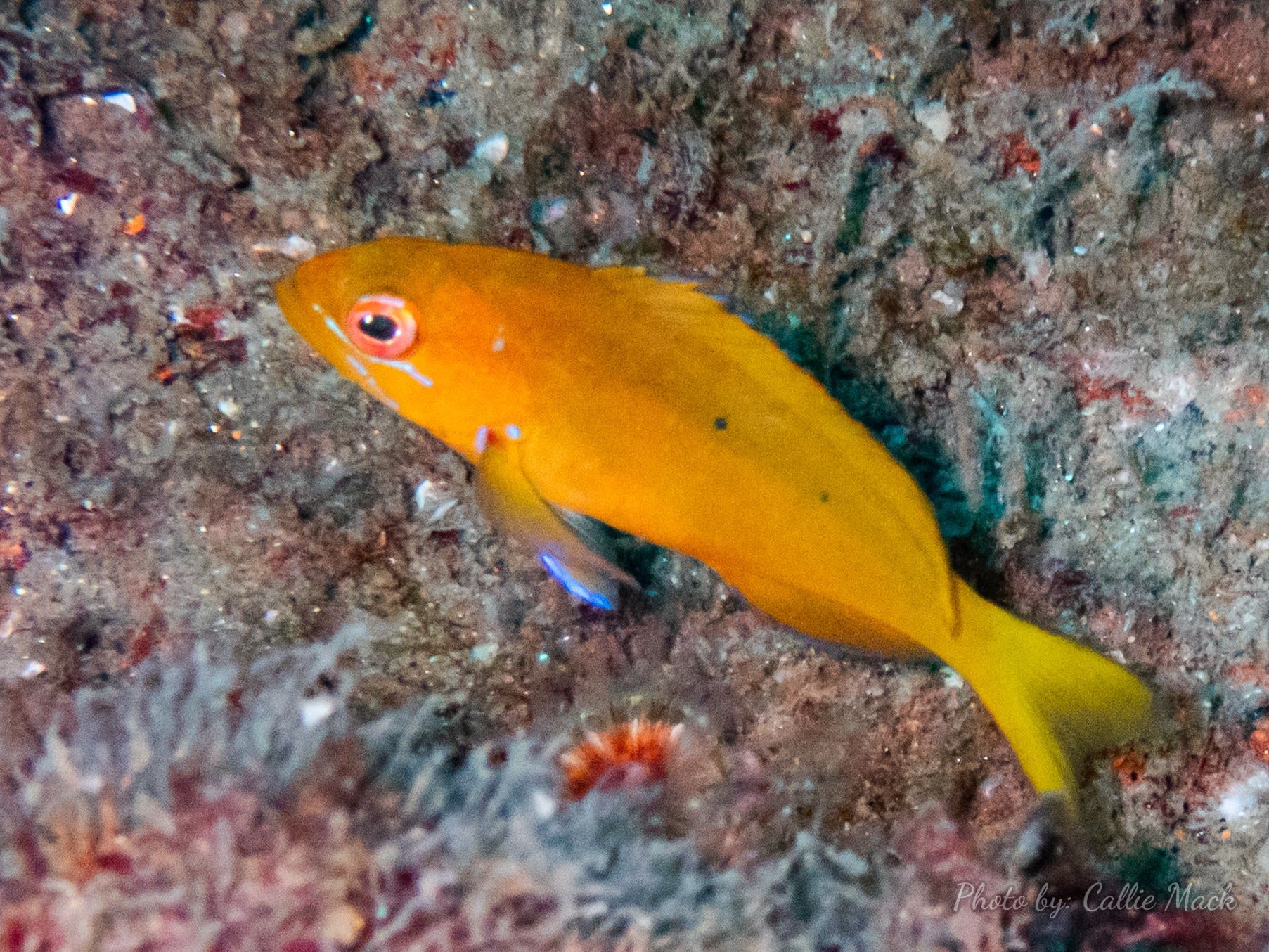
And let's be honest: warm water is NICE. Longer bottom times, a thinner wetsuit, and that tropical feeling without the plane ticket. If you've only ever dived San Diego at 58 degrees, a warm-water year feels like discovering a brand new ocean.
It's also a front row seat to how connected the ocean really is. The same current that brings us a manta ray is the one a sea turtle rides north. Every warm year, San Diego gets to meet the neighbors.
Now the part that worries me
Our giant kelp is a cold-water forest. It needs cool, nutrient-rich water to thrive, and El Niño brings the opposite: warm water with fewer nutrients, plus winter storms that tear at the canopy. During the 2014-2016 marine heat wave and the El Niño that followed, a City of San Diego study found that adult giant kelp at 20 local sites dropped by more than 90 percent. Some of those sites still haven't come back.
When the kelp struggles, everything that depends on it struggles too. Warm water means less food at the base of the food web, and in 2015 seabirds and sea lions starved along our coast. And where kelp disappears completely, an invasive algae called Sargassum horneri can move in and keep it from growing back.
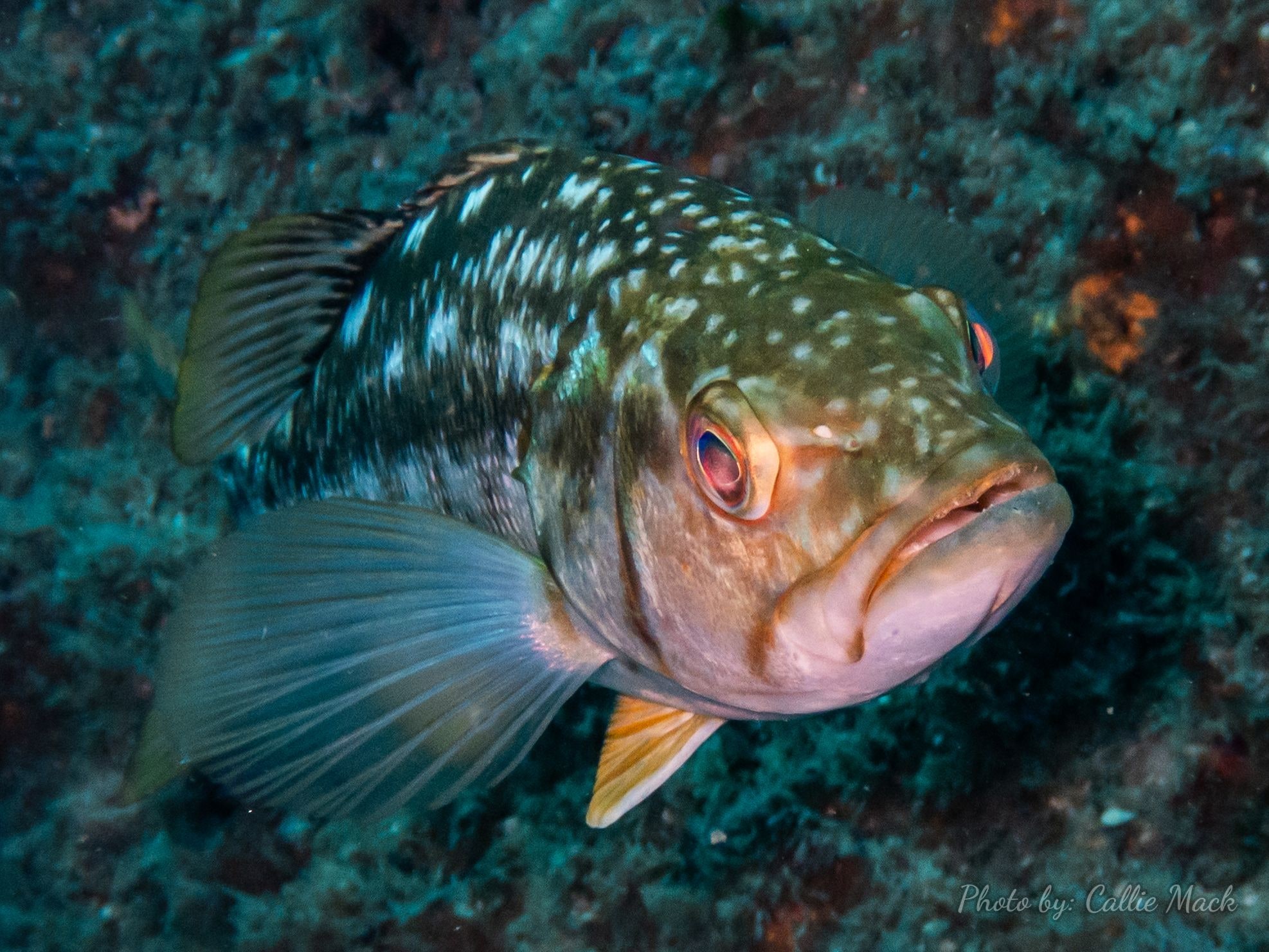
Here's what worries me most: researchers at Scripps say El Niños are landing on top of an ocean that is already warming, so the kelp gets less time to recover between warm events than it did decades ago.
So what do we do with that?
We dive it, and we pay attention :) Kelp is tougher than it looks. Cool La Niña years bring the nutrients back, and big storms can actually reset the forest by clearing out urchin barrens. Around San Diego there are urchin-removal and kelp-restoration days where divers can literally help the forest regrow, and they are worth looking up before your next trip.
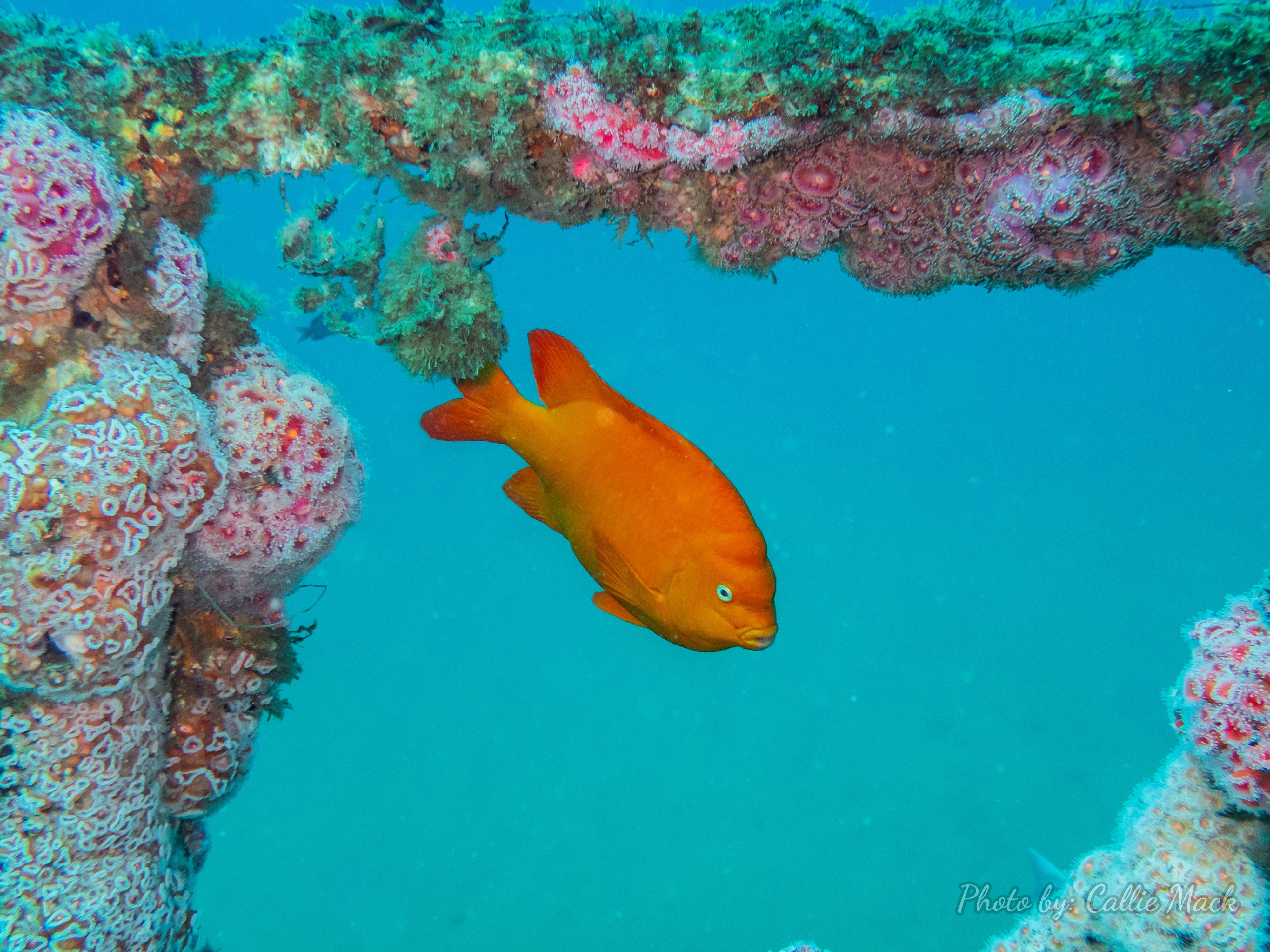
The kelp on a good day is still the most beautiful dive in California. Sunlight through the canopy, garibaldi everywhere, sea lions playing in your bubbles. Come see it while it's warm, and come back in the cool years too, because this ocean is worth knowing in every mood.
Happy diving!
Captain Lora